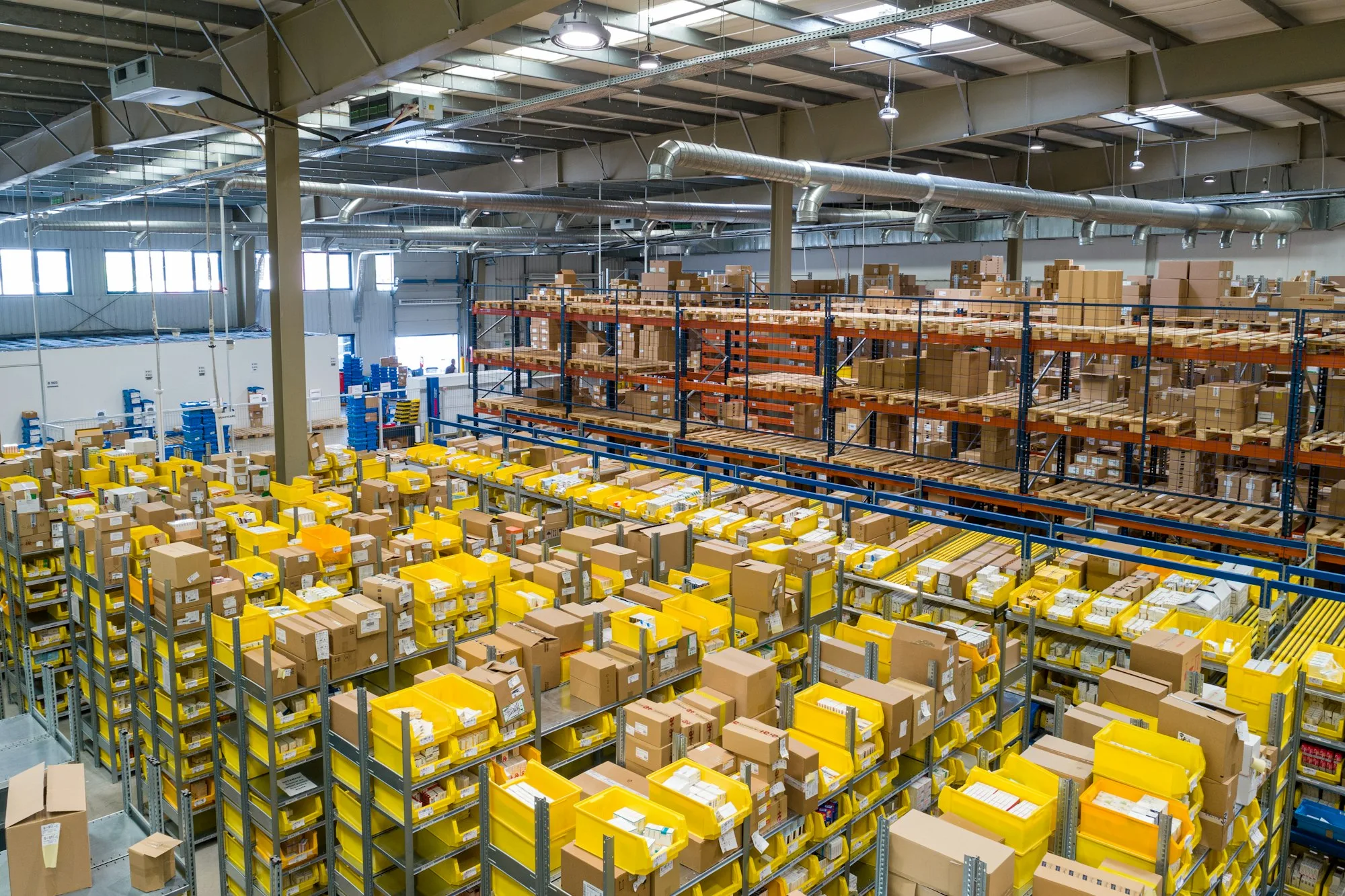
In the competitive world of Wholesale FMCG, cargo consolidation is an art form. Successfully navigating FMCG Procurement demands a deep understanding of the volumetric weight game, where the cost of shipping is determined not just by actual weight, but by the physical volume occupied by the cargo.
For Consumer Goods Distribution, this balance is highly critical. High-volume, lightweight items (such as snack chips, crisps, and toiletries) can quickly consume deck space without meeting weight limits. Conversely, heavy commodities like beverages can hit weight thresholds while leaving half the container empty.
To resolve this, sophisticated logistics operators employ strategic consolidation, pairing dense loads like premium Chocolate Trading bars with lighter sweet snacks or dry biscuits. This approach maximizes container utilization, significantly lowering the per-unit shipping cost and securing better margins for retail customers.
Our Retail Distribution networks rely on these data-driven packing metrics. By utilizing automated dimensioning systems and AI-guided container planning, we ensure that every square inch of cargo space is utilized efficiently, reducing the environmental footprint and optimizing supply chain speed.
By masterfully balancing weight and volume, trading firms can keep shipping rates highly competitive. This logistical discipline is what allows Bridgewell to deliver top-tier global brands to supermarket shelves with absolute consistency and cost-efficiency.